

Restore Lost Facial Volume and Look Years Younger With Juvéderm
Lost facial volume is a normal part of aging, but that doesn’t mean you have to live with it. Fight back with Juvéderm.
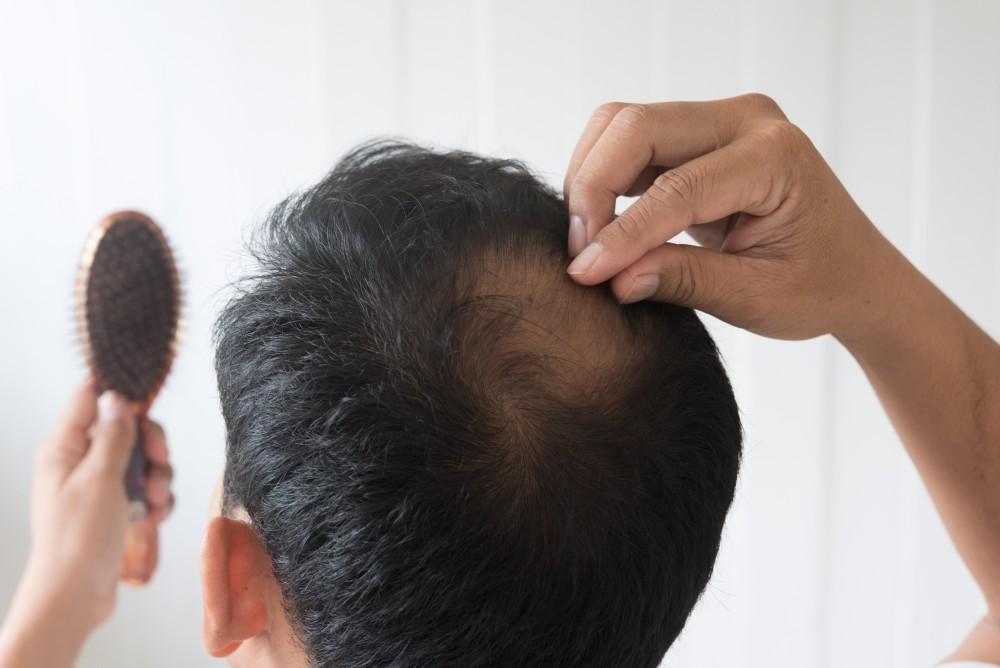
If you’ve noticed more hair circling the shower drain or that your part looks a little wider in photos, you aren’t alone.
Thankfully, thinning hair doesn’t always mean permanent hair loss. Depending on the cause and the health of your hair follicles, the right treatment may help slow shedding, preserve existing hair, and even encourage healthier growth.
Our team at Advanced Dermatology Surgery & Laser Center, led by Glenn Kolansky, MD, FAAD, is ready to evaluate potential causes for your thinning hair. There are multiple treatment options available.
Shedding some hair every day is normal. In fact, it’s normal to lose 50-150 hairs per day. That said, problems arise when you lose hair faster than your follicles can replace it or when your follicles gradually produce thinner, shorter hairs.
There isn’t just one reason this happens. Hair loss may be associated with:
That’s why simply buying a shampoo labeled “for thinning hair” may not get you very far. Effective treatment begins with determining which type of hair loss you’re experiencing.
Once Dr. Kolansky pinpoints the cause of your hair loss, he may recommend:
Minoxidil is a commonly used and effective treatment for hair loss in both men and women. It works by stimulating hair follicles, prolonging the growth phase of the hair cycle, and promoting increased hair density and thickness.
Topical minoxidil is available in 2% and 5% formulations over the counter and 8% compounded is available at our office. Oral minoxidil may be considered under medical supervision and is as effective as topical but may have additional side effects in women including increased facial hair. Usually this is not a concern for male patients.
For women experiencing female pattern hair loss, additional treatment options include spironolactone, an anti-androgen medication that helps reduce the effects of androgens on hair follicles, and finasteride, a 5-alpha-reductase inhibitor that decreases the conversion of testosterone to dihydrotestosterone (DHT).
Finasteride is generally used in men and can be cautiously used in women. It is typically reserved for selected postmenopausal patients or specialist-supervised cases because of the risk of fetal harm. It must be avoided for women who are or thinking about becoming pregnant.
These medications may be used alone or in combination with minoxidil, depending on the patient's clinical presentation, medical history, and treatment goals. Consistent use and follow-up are important, as results typically take 6–12 months to become apparent.
PRP therapy takes a regenerative approach to hair loss and uses something you already have: your platelets. Platelets are best known for helping your blood clot, but they also contain growth factors involved in tissue repair and cell signaling.
PRP treatment begins with a standard blood draw. We then place your blood into a centrifuge, which spins at high speed to separate and concentrate the platelet-rich portion.
We then inject that concentrated PRP into specific areas of your scalp where thinning is most apparent. Your PRP serum exposes weakened hair follicles to a higher concentration of growth factors that may help support:
PRP isn’t a magic way to create brand-new hair follicles. Instead, it works with the hair follicles you already have. This is one reason seeking treatment earlier in the hair-loss process can be beneficial.
For those who prefer not to have a blood draw, and injections we offer Exosome therapy which are microneedled with the laser and applied topically. Exosomes are tiny particles released by cells that help cells communicate with each other and send helpful messages. In hair loss treatment, exosomes help wake up weak or inactive hair follicles, reduce irritation, and encourage hair growth. They contain natural proteins and other materials that may help hair follicles become healthier and grow thicker hair.
Dr. Kolansky can determine whether your hair loss pattern makes you a good candidate.
Nutritional deficiencies and significant weight loss can also trigger increased hair shedding. When your body doesn’t get enough calories, protein, iron, or certain vitamins and minerals, it may redirect resources from hair growth to other more essential functions.
Identifying and correcting nutritional deficiencies (through diet or supplements, when appropriate) may help restore a healthier hair-growth cycle.
We offer two types of supplements that promote healthier hair, including Nutrafol capsules and, for those who prefer not to swallow capsules, we now have Xtresse, a strawberry-flavored gummy.
There are also topical serums available to feed the hair follicle directly.
Lifestyle changes can also help protect your hair and reduce preventable shedding. Repeatedly wearing tight ponytails, braids, buns, or extensions can put ongoing tension on the hair follicles and contribute to traction alopecia, so choosing looser hairstyles may help prevent further damage.
Chronic flat ironing and excessive brushing can increase hair loss.
Managing chronic stress through regular exercise, adequate sleep, relaxation techniques, or other healthy coping strategies may also help when stress is contributing to excessive shedding.
The Theradome Red Light Therapy Cap is a device used to help treat hair loss and encourage hair growth. It uses low-level laser light to reach the hair follicles under the scalp. This light may help improve the health of the hair follicles, encourage hair growth, and make hair thicker and fuller over time. The cap is easy to use at home and works best when used regularly as directed. Results can take several months to become noticeable.
Though hair loss can feel like a cosmetic issue, your hair and scalp are part of your dermatologic health, so don't wait until thinning becomes severe to bring it up with us.
At Advanced Dermatology Surgery & Laser Center, Dr. Glenn Kolansky and our team can evaluate your hair loss, identify potential causes, and determine the most effective treatment for your hair loss.
If you’re struggling with thinning hair or excessive shedding, call our Tinton Falls, New Jersey, office at 732-204-8311 or request an appointment online.


